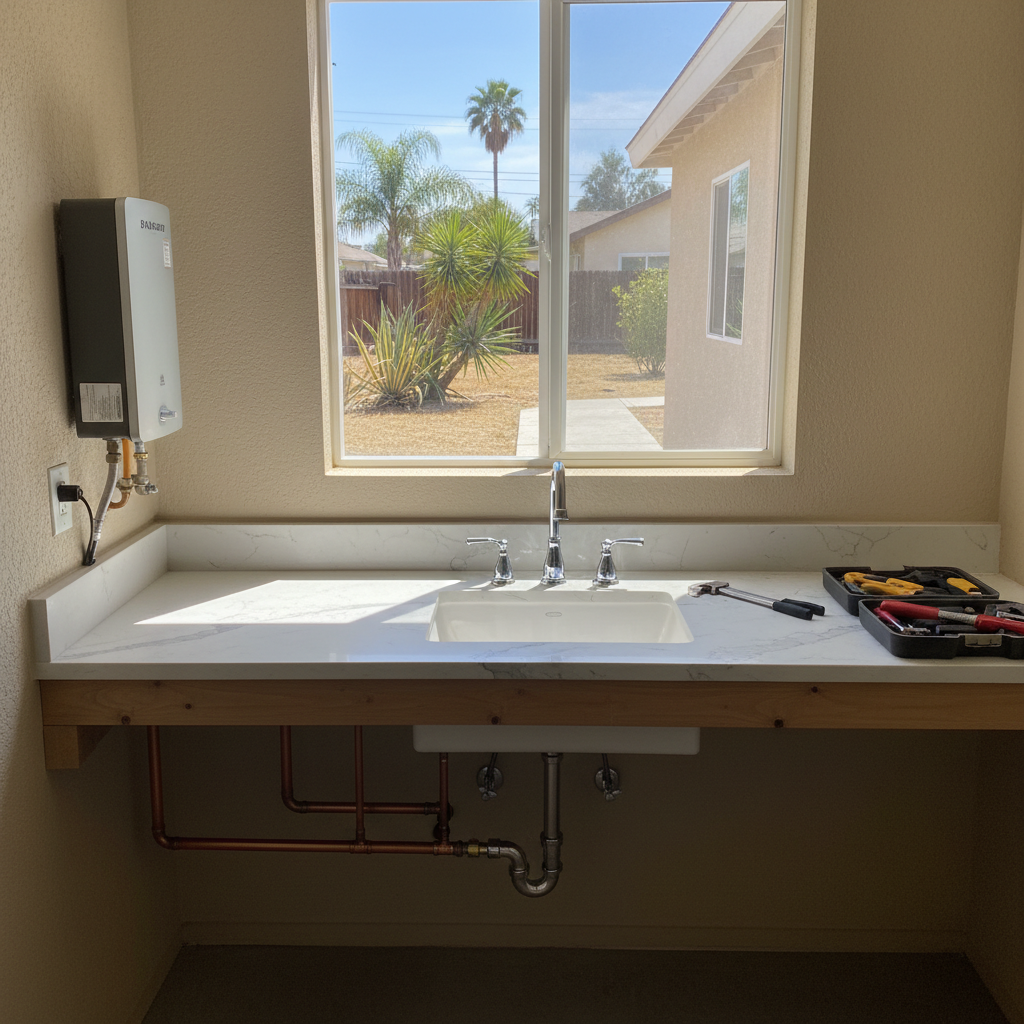
Nobody wants a plumbing emergency. Trust me, I've been to enough homes in Pomona with burst pipes or backed-up drains to know the kind of mess and stress it causes. The good news? A lot of that can be avoided with a little common sense and regular upkeep. This isn't rocket science, but it's important stuff if you want your plumbing to last and not cost you a fortune down the line.
Extend the Life of Your Plumbing
You've put good money into your home's plumbing, whether it's new fixtures or a whole-house repipe. So, how do you make sure that investment pays off for years? It starts with how you use it and, crucially, what you let go down your drains.
- Watch What Goes Down: This is huge. Kitchen sinks are notorious for grease, coffee grounds, and food scraps. Those things build up, creating blockages. Use drain screens, scrape plates into the trash, and never, ever pour cooking oil down the drain. For bathrooms, hair is the enemy. Get a good drain protector for your shower and clean it regularly.
- Be Mindful of Harsh Chemicals: Those 'drain cleaner' bottles might seem like a quick fix, but they can actually do more harm than good over time. The caustic chemicals can corrode pipes, especially older ones, and they're terrible for the environment. Stick to enzymatic cleaners or a simple baking soda and vinegar flush for minor clogs.
- Mind Your Water Pressure: High water pressure can put a lot of strain on your pipes and fixtures, leading to leaks and premature wear. If your water comes out like a firehose, you might need a pressure regulator valve. Many homes in areas like North Pomona, especially those with older, larger main lines, could really benefit from checking this. I usually recommend keeping it between 40-60 PSI.
- Address Leaks Immediately: A small drip today is often a big problem tomorrow. Don't ignore leaky faucets or running toilets. They waste water, and that constant moisture can lead to rot, mold, and bigger structural issues. Fix 'em fast.
Regular Maintenance: What You Can Do
You don't need to be a plumber to do some basic maintenance. A few minutes here and there can save you a lot of grief.
- Flush Your Water Heater: Sediment builds up in the bottom of your water heater, especially with our hard water here in Southern California. This makes it less efficient and shortens its lifespan. Once a year, drain a few gallons from the bottom valve until the water runs clear. It's a simple task that makes a big difference.
- Check for Leaks: Take a walk around your house every few months. Look under sinks, around toilets, and near appliances like your washing machine or dishwasher. Check your water meter, too. If you turn off all water in your house and the meter is still moving, you've got a leak somewhere.
- Clean Faucet Aerators and Showerheads: Mineral deposits from our hard water can clog these up, reducing flow. Unscrew them, clean out the gunk (an old toothbrush and vinegar work great), and screw them back on.
- Test Your Sump Pump (if you have one): If you're in an area prone to flooding, or have a basement, your sump pump is vital. Pour a bucket of water into the pit to make sure it kicks on and drains properly.
Warning Signs of Plumbing Problems
Your plumbing usually gives you hints before it completely fails. Pay attention to these signals:
- Slow Drains: If water is taking its sweet time to go down, it's a sign of a partial clog. Don't wait until it's completely stopped.
- Reduced Water Pressure: This could be a sign of a leak, mineral buildup, or a problem with your water heater.
- Strange Noises: Gurgling drains, banging pipes (water hammer), or a constantly running toilet are all red flags.
- Unpleasant Odors: Foul smells coming from drains can indicate a sewer gas leak or a serious clog.
- Water Stains or Discoloration: Any damp spots on walls, ceilings, or floors are a clear sign of a leak. Don't ignore them.
- Higher Water Bills: If your water bill suddenly jumps without a change in usage, you likely have a hidden leak.
When to Call a Professional
Sometimes, it's just time to call in the cavalry. As Pomona Bathroom Solutions, we see a lot of folks who waited too long, and it ended up costing them more. Don't be that person.
- Persistent Clogs: If you've tried basic methods and the drain is still slow or completely blocked, you need a pro with the right tools to clear it without damaging your pipes.
- No Hot Water: This could be a water heater issue that's best left to someone who knows what they're doing.
- Burst Pipes or Major Leaks: Turn off your main water supply immediately and call a plumber. This is an emergency.
- Sewer Line Backups: If multiple drains are backing up, or you see sewage coming up through your toilet or shower, that's a serious sewer line problem.
- Gas Leaks: If you smell gas near your water heater or other gas appliances, evacuate and call the gas company and a plumber right away.
- Any Problem Beyond Your Comfort Level: If you're unsure, or if a repair seems too complicated, it's always better to call a professional. You don't want to turn a small problem into a big, expensive one.
Taking care of your plumbing isn't just about avoiding disasters; it's about protecting your home and your wallet. A little proactive maintenance goes a long way. Stay on top of these things, and your pipes will thank you.