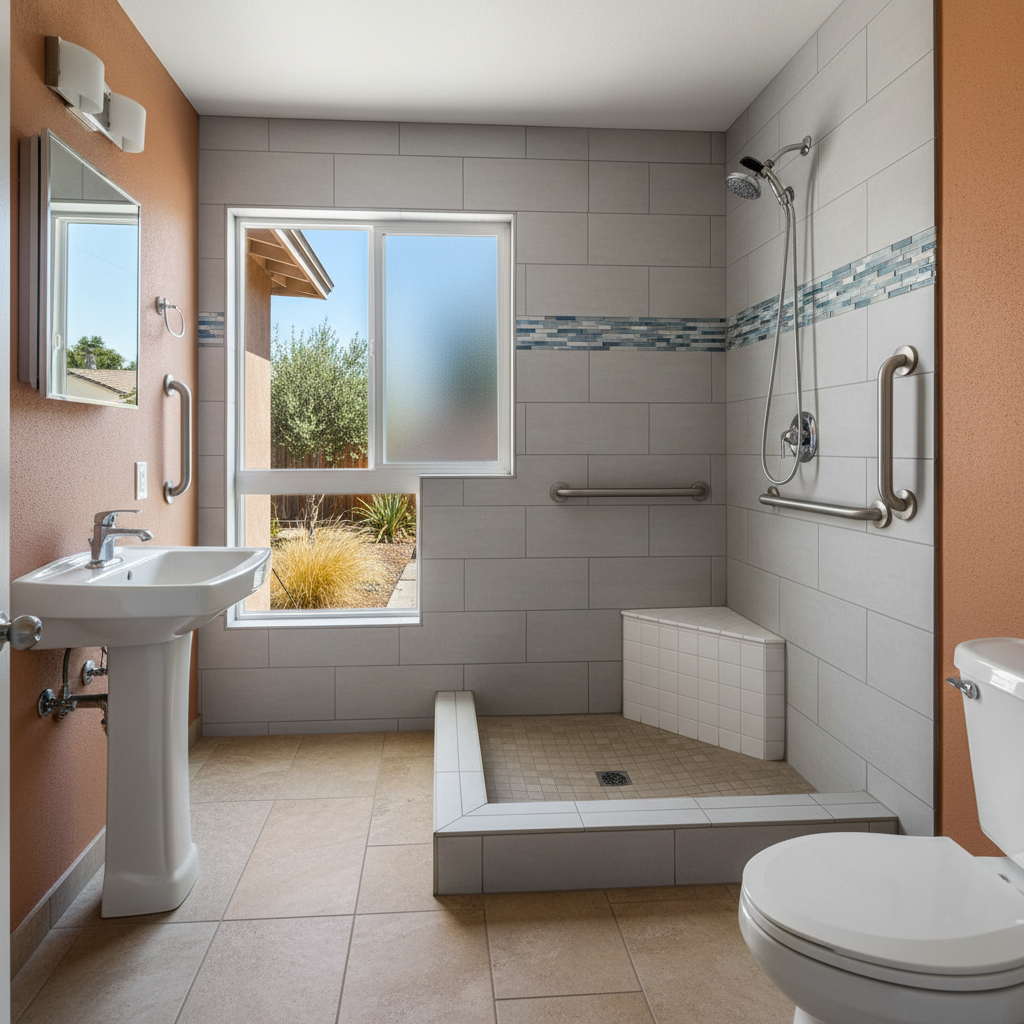
So, you need an accessible bathroom, and you're probably asking, "What's this going to set me back?" That's a fair question, really. And honestly, it's not a simple, one-size-fits-all answer. But I can give you a solid idea of what to expect here in Pomona, what makes the price go up or down, and how to make sure you're getting good value for your money.
What Makes the Price Tag Change?
A few big things really move the needle on cost. It's not just about throwing in a grab bar; it's about making a space truly functional and safe, you know?
- Scope of Work: Are we just adding a few safety features to an existing bathroom? Or are we tearing everything out and starting fresh? A minor upgrade, like adding grab bars, a comfort-height toilet, and a handheld shower, is way different from a full remodel that includes widening doorways, moving walls, or putting in a roll-in shower.
- Materials and Fixtures: You've got options here. A basic fiberglass roll-in shower pan, for example, costs less than a custom tiled one. Standard grab bars are cheaper than decorative ones, too. Same goes for vanities, flooring, and even the toilet. High-end finishes just cost more, plain and simple.
- Structural Changes: This is a big one. If we need to widen a doorway from 24 inches to 36 inches to meet ADA standards, that means cutting into studs, possibly moving electrical lines, and patching drywall. If your existing plumbing isn't in the right spot for a new roll-in shower or accessible sink, moving those lines adds to the labor and material cost. Sometimes in older Pomona homes, especially those built in the 50s and 60s around the Lincoln Park area, you find original plumbing that's a nightmare to work with, which can add unexpected costs.
- Permits and Inspections: Don't skip these. For major remodels, especially those involving structural or plumbing changes, you'll need permits from the City of Pomona. This adds a small cost for the permit itself, but more importantly, it means the work has to meet code. And that's a good thing for safety and quality.
Typical Cost Ranges in Pomona
Alright, let's talk numbers. Keep in mind these are ranges, and your specific project might be on the lower or higher end.
- Minor Upgrades (Grab bars, comfort toilet, handheld shower): You're probably looking at anywhere from $1,500 to $4,000. This assumes no major plumbing or structural work. It's mostly labor for installation and the cost of the fixtures themselves.
- Mid-Range Accessibility (Walk-in tub OR roll-in shower conversion, new accessible vanity, flooring): This is where things start to get more involved. For a single major item like a walk-in tub or converting a standard shower to a roll-in unit, plus some other upgrades, you're usually in the $8,000 to $20,000 range. This includes demolition, new plumbing lines if needed, waterproofing, and installation.
- Full Accessible Bathroom Remodel (Everything from widening doorways to a full roll-in shower, accessible vanity, new toilet, grab bars, flooring, lighting): For a complete overhaul, where we're making the whole space fully compliant and user-friendly, you're typically looking at $20,000 to $45,000+. This range accounts for significant structural work, all new fixtures, and professional installation. If you're going for high-end finishes or extensive custom work, it can certainly go higher.
What Should a Quote Include?
When you get a quote from a contractor, it shouldn't just be a single number. You want to see a breakdown. Here's what I always put in my quotes at Pomona Bathroom Solutions:
- Detailed Scope of Work: Exactly what's being done. "Install roll-in shower with specific model number," "Widen doorway to 36 inches," "Install comfort-height toilet."
- Material Costs: An itemized list of major materials and fixtures (shower unit, vanity, toilet, flooring, grab bars, etc.).
- Labor Costs: The cost for the crew to do the work.
- Permit Fees: If applicable, this should be listed separately.
- Demolition and Debris Removal: You don't want to be stuck with a pile of old tile in your driveway, do you?
- Timeline: An estimated start and completion date.
- Payment Schedule: How payments will be structured (e.g., deposit, progress payments, final payment).
How to Avoid Overpaying
Nobody wants to get ripped off. Here's my advice:
- Get Multiple Quotes: Don't just go with the first guy. Get at least three detailed quotes from reputable contractors. Compare them line by line.
- Be Specific About Your Needs: The more clearly you can say what you want, the more accurate the quotes will be. If you're vague, contractors have to guess, and they'll often pad the estimate.
- Check References and Reviews: See what other people in Pomona are saying about their work. A good contractor will have plenty of happy clients.
- Understand the Contract: Read every word. If you don't understand something, ask. Don't sign anything you're not comfortable with.
- Avoid Cash Deals: Always get everything in writing. Cash deals might seem cheaper upfront, but they offer zero protection if things go wrong.
- Don't Rush: This is a big decision and a significant investment. Take your time to research and choose the right professional for your accessible bathroom project.
Making your bathroom accessible is about more than just convenience; it's about independence and safety. Do your homework, ask the right questions, and you'll get a functional, beautiful space without breaking the bank.